moth hue / founder story
WHY I STARTEDMOTH HUE
By Kaija · Est. 6 min read
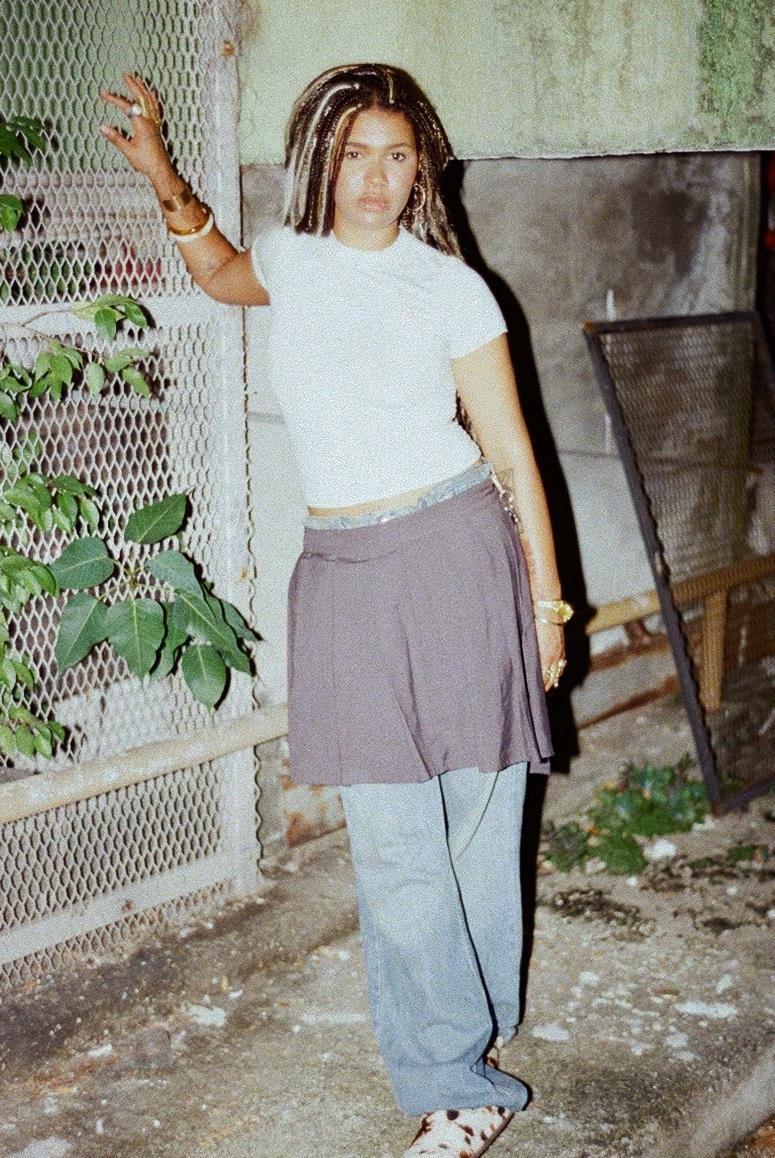
Way back when I was around 17, my dad was in the car with me and he said:
“You know you need to stop being afraid to talk to people. People are more scared of you than you are of them. You’re intimidating folks without realizing it.”
And that advice changed my life.
I’m Kaija, co-founder of Moth Hue, and so much of why I started it comes from the people I’ve met. I grew up in New York, spent around five years in Madrid, and then moved to Singapore to study entrepreneurship and innovation. Creativity has always been part of my life, through music, art, and the communities I find myself drawn to.

01: The beginning
I LOVE BEING WITH THE PEOPLE
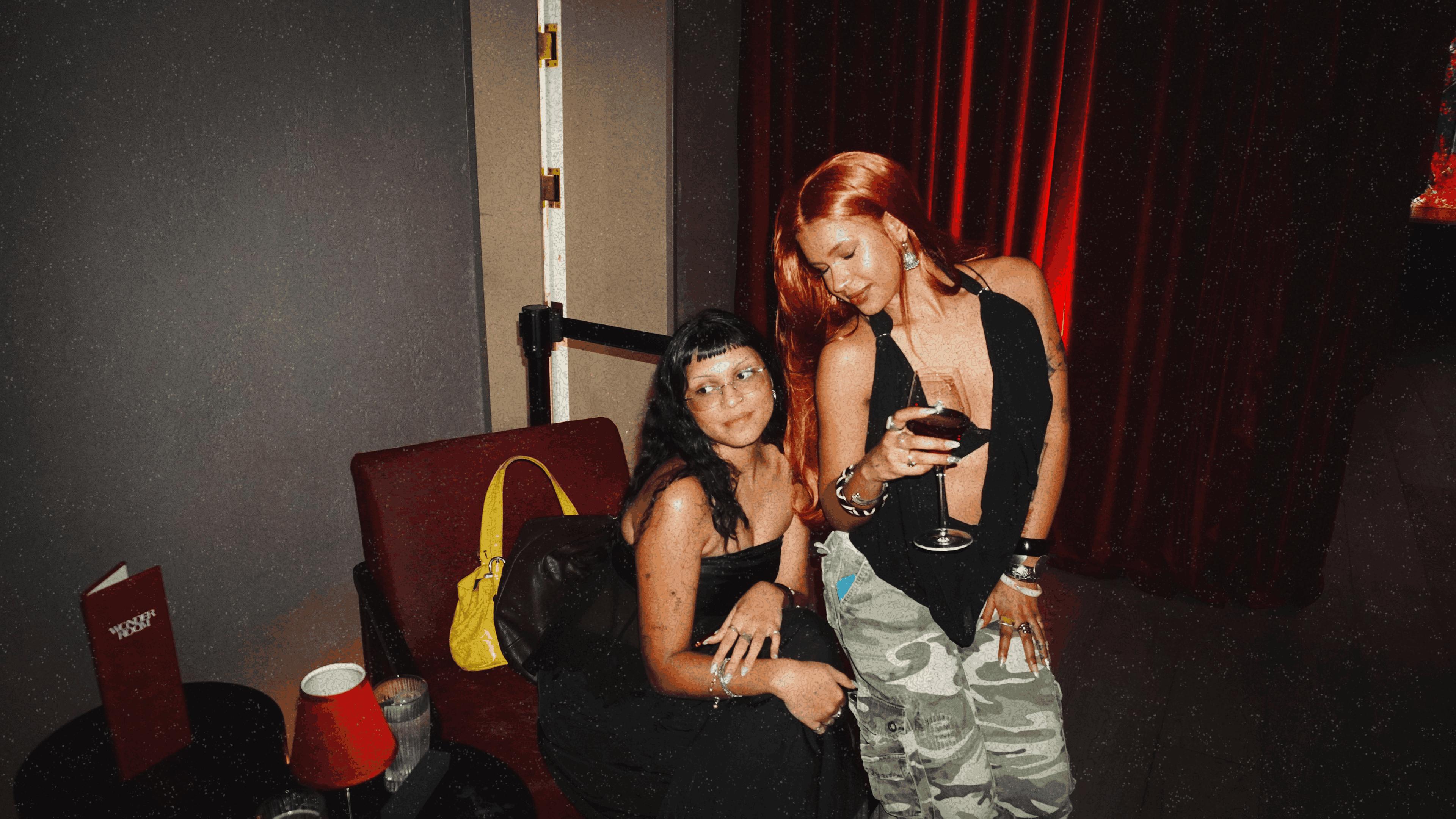
Truthfully, the spark came first because I love being outside, okay? I love being with the people. I love having a little drink and going out, and I just would chat to everybody. My introduction to nightlife started in the party capital of Madrid, where it was the norm that so many people were out and having fun on a weeknight, and it was the uni life, so there was really no consequence either.
While I was there, I sort of became this connector. A lot of people would reach out to me and say, “Hey, do you know someone with a home-based studio, a producer, or a fine artist?” And I loved this job. I felt like I could sort of pull the right people together. And then sometimes after these people would meet, they’d be like, “Yo, Kaija, come check out what we put together in the studio.” And I’d be so excited. That feeling of knowing that I got to be involved in the first few seconds of interaction between two people, and then watching it blossom into creative output, fulfilled me so much.
Living in different places has introduced me to so many people whose ideas make me want to try something new or create something together. I keep meeting these little pockets of people who bring so much joy to being together and making things. Each time, I’m reminded of how much there is to discover through other people. It’s also made me curious about what happens after that initial connection. I was so excited to be making creative friends, I admired what they did, and I wanted to make things with them but I had no idea how to turn “we should do something together” into an actual project. How do we talk about money, time and expectations, especially when we’re also friends?
How do we talk about money, time and expectations, especially when we’re also friends?
02: Making room for connection
WHEN YOU CAN’T BE OUT EVERY NIGHT
On top of that I could see most creatives were becoming these incredible multi-hyphenate beings who were good at everything. You have fashion designers getting commissioned to build furniture, singers who are producing fashion, and DJs who are both photographers and models. I also started having these realizations that some of these incredible multi-talented people are missing opportunities because they can’t go out on a Wednesday night. And even as I’ve gotten older, and more into a professional career, I too can no longer be outside every night of the week.
Usually.
After university, I started working full time, and that question became personal: how do you keep finding creative partners when your schedule no longer leaves much room for the spaces where you used to meet them? Because it’s not at the LinkedIn professional networking event. Sure, it’s not impossible but it’s a lot harder...
I knew something had to change. I was still working at this company with wonderful people but I wasn’t feeling that fulfillment that came from those artistic connections. Eventually I left and returned to New York, with a mental mission to throw myself back into the creative world I existed so fully in when I was a kid.
03: An idea taking shape
BEFORE MOTH HUE, THERE WAS BULLETIN BOARD
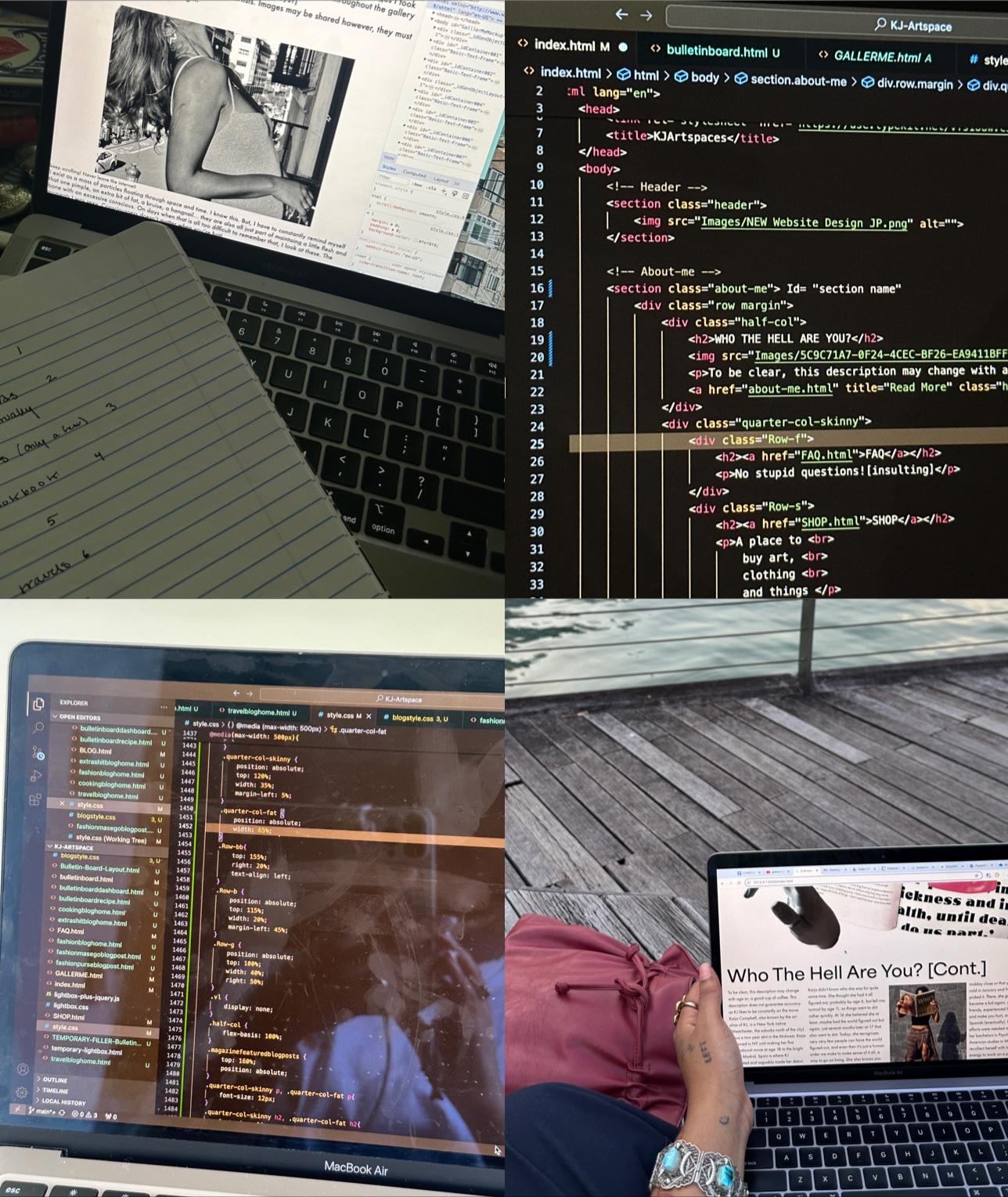
It was around this time back home in 2023 when I started coding my personal website. I had this crazy idea to create something called Bulletin Board, a sort of chaotic online board to share ideas and learn languages and post creative ideas or just connect with like-minded niche individuals. It was a messy idea that didn’t have a real structure. I put it on hold and just created my website around sharing my own interests and blogging. Nevertheless, I became obsessed with a new way of looking at networks, how people, places, and passions could be connected.
Between a full-time hardware store job and traveling down to Manhattan on my off days to intern at a New York City gallery, I kept shifting into different artist spaces. I still felt that connecting people was where I belonged.

04: Building Moth Hue
FROM CONNECTION TO COLLABORATION
Then came the Singapore move. My program felt right because it offered a track to build your own company. I went into the course thinking I was going to build a “different” kind of creative agency, but my professors started questioning that and saying, “Well, what is different? What are you doing that can reach more people? How are you going to build a business around this?”
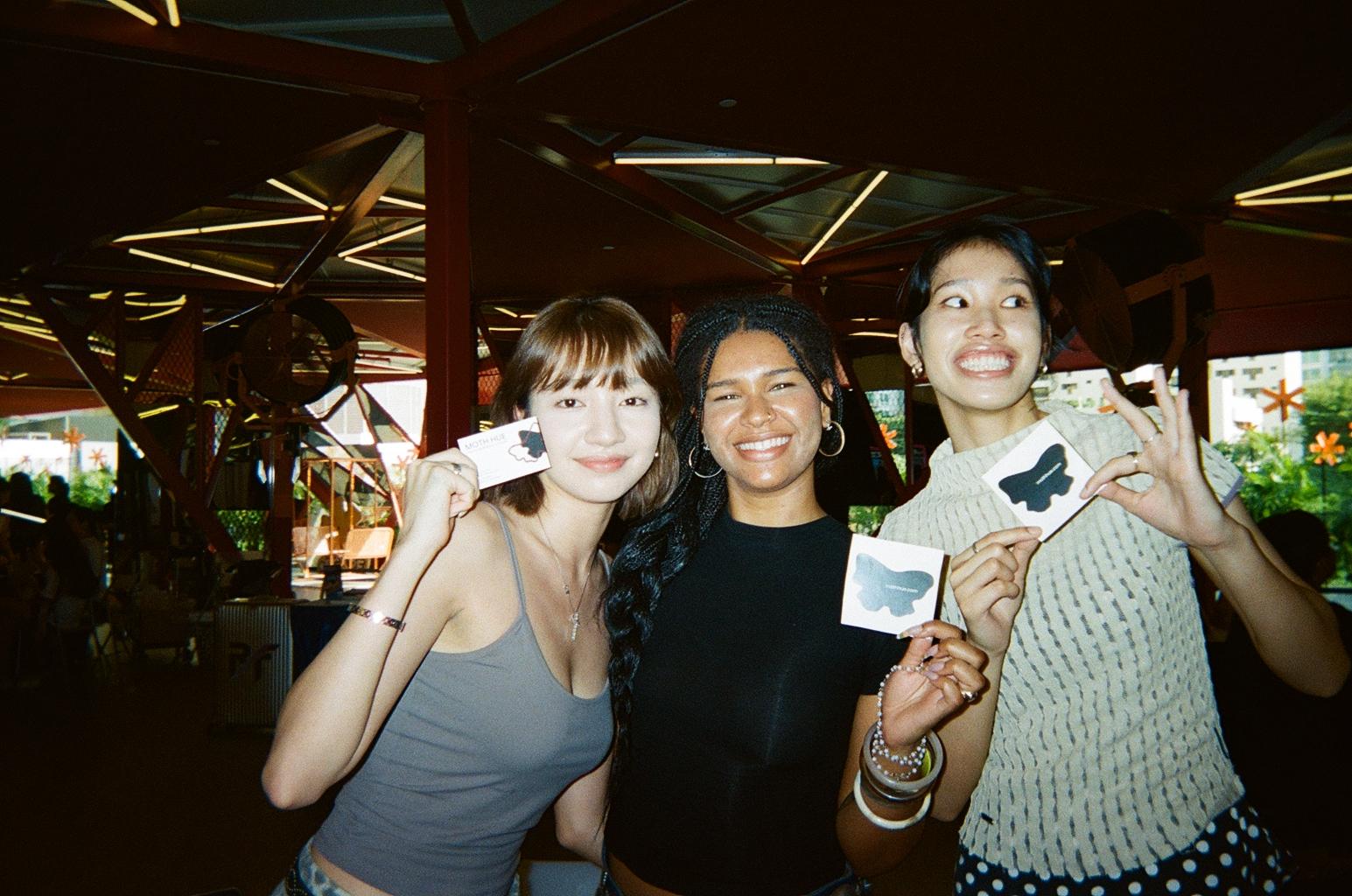
The agency became a platform, and when I met my co-founder, EJ, we began turning that platform into a business. He brought his experience to shaping the strategy and giving the concept a practical foundation. That mattered because Moth Hue needed to answer the same question so many of my fellow creatives were facing: how do we build a living through art and creativity? I wanted us to help challenge the idea that “art makes no money” by creating more opportunities for people to earn from their work.
Why I started Moth Hue
A MORE CONNECTEDCREATIVE WORLD
Above all, what I want Moth Hue to contribute to is a more connected creative world. A world where we’re more open with one another.
I don’t think my dad knew where that advice would take me. Learning to talk to people opened up so much of my world, and those connections eventually became part of the inspiration behind Moth Hue. Now I hope we can make it easier to not only find people you want to create with, but see those collaborations through.
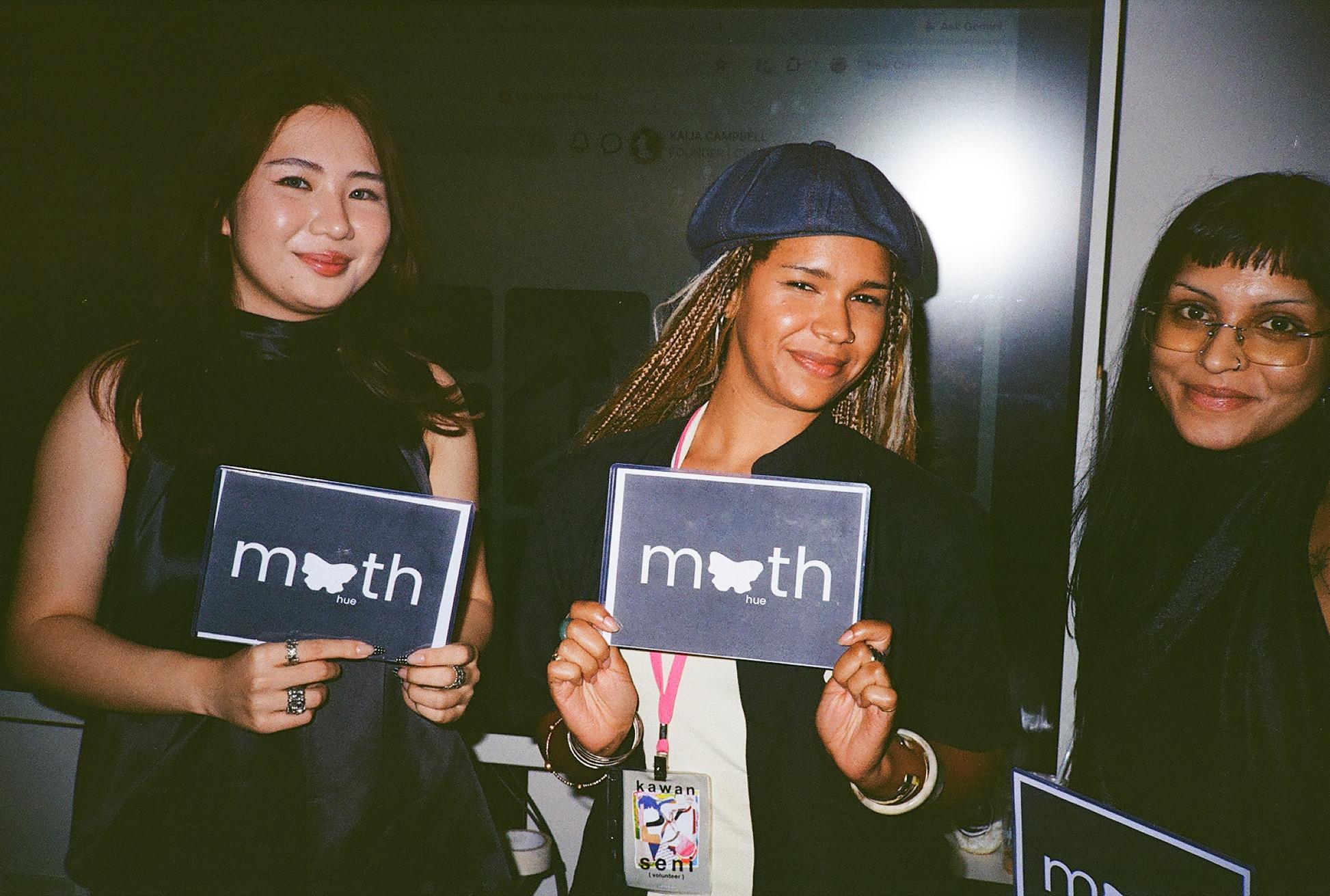
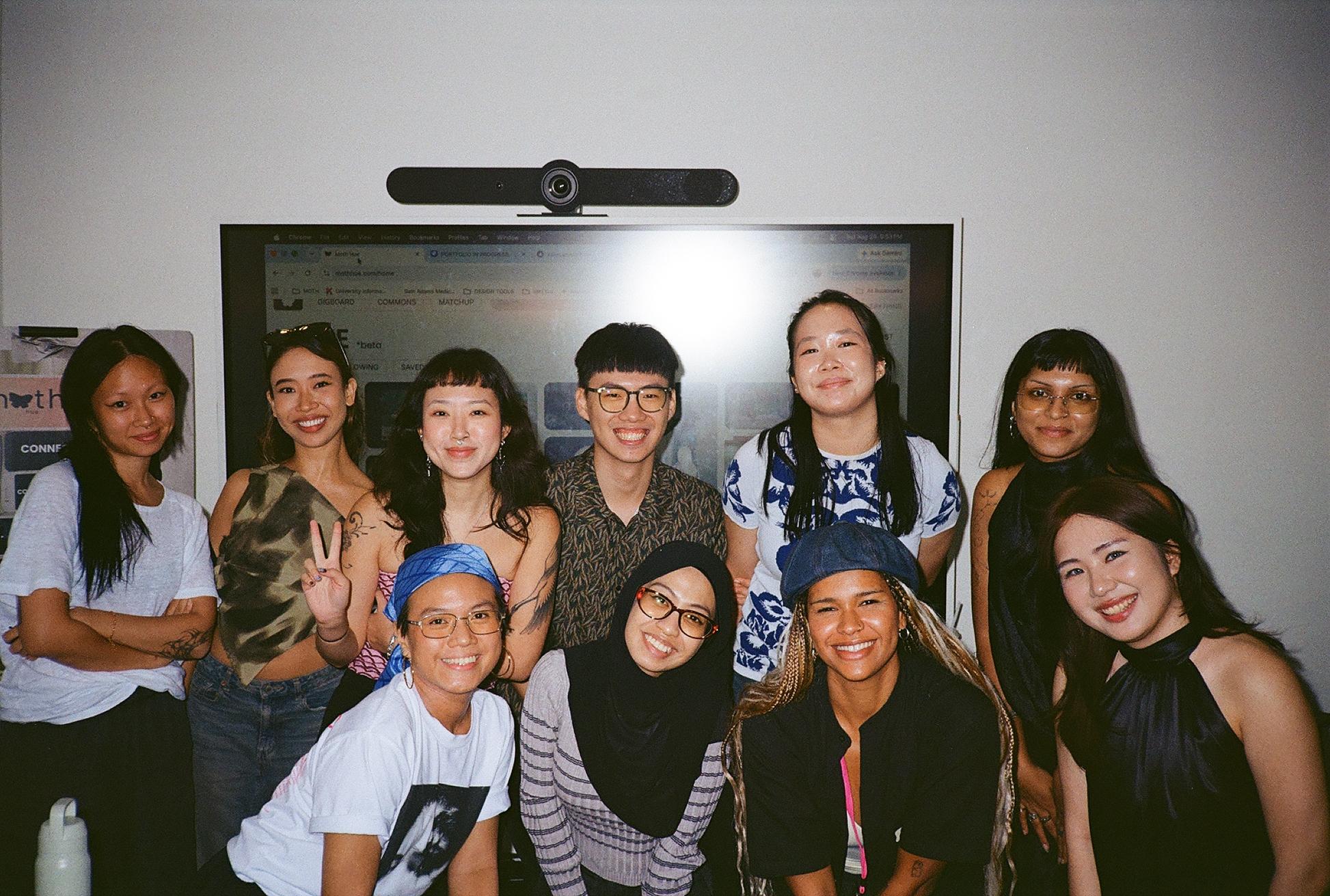
Why I Started Moth Hue | Written by Kaija.
© 2026 Moth Hue (editorial content). Featured creative works remain the property of their respective rights holders.