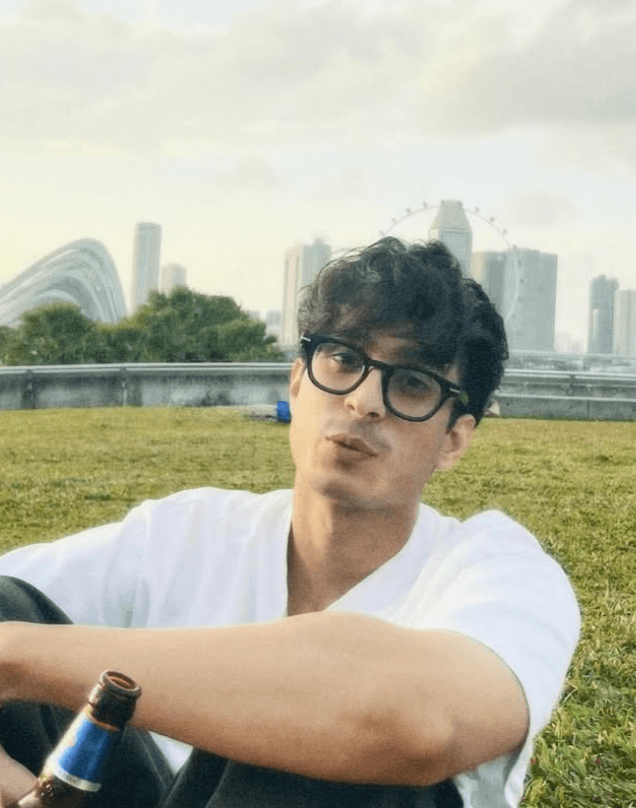
PUSHKAL SHARMA ON CREATIVE IMPOSTER SYNDROME
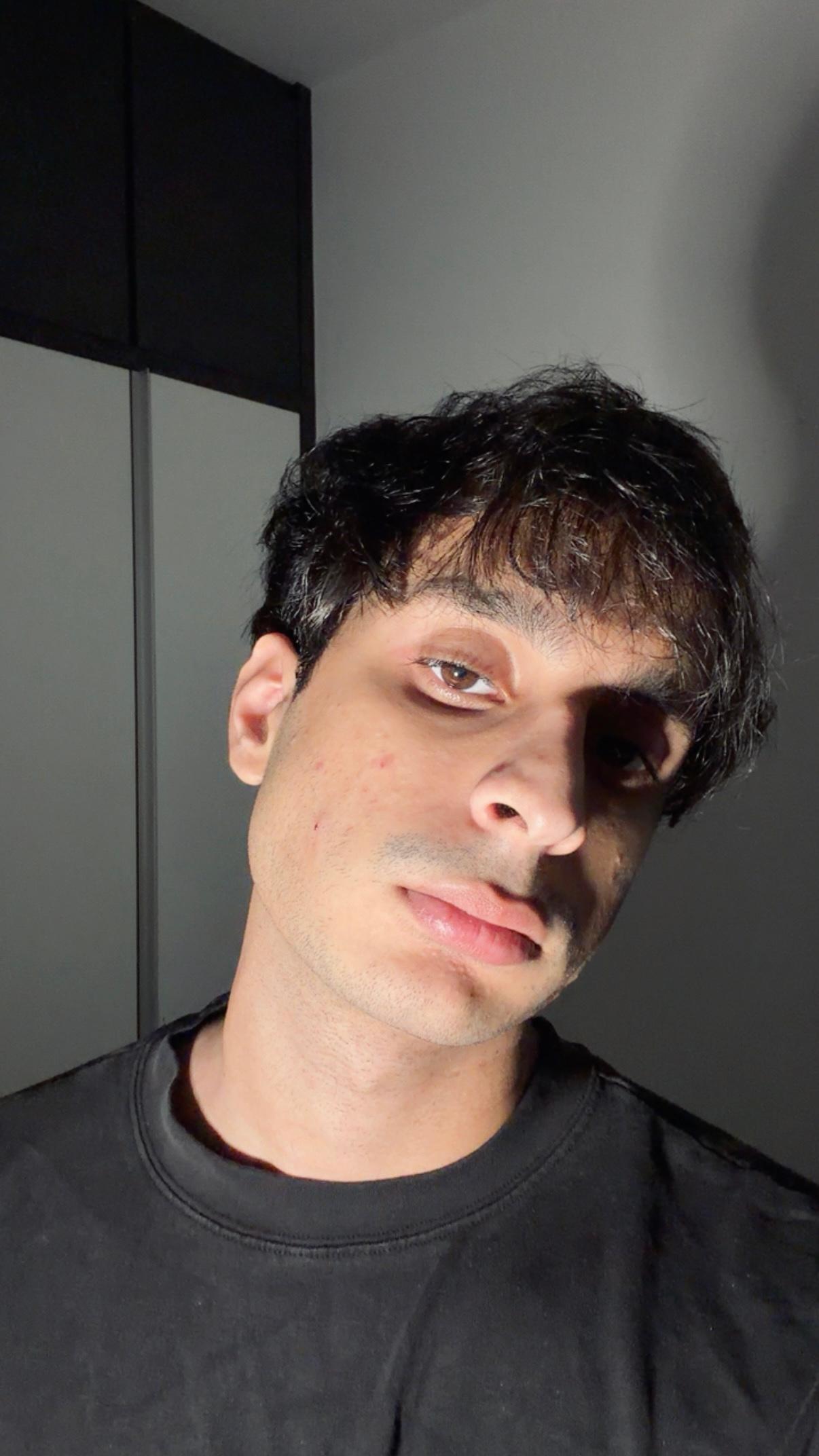
Pushkal Sharma is an aspiring producer and video editor. He started off exploring music production during high school, and later picked up videomaking and creative direction during his time as a business graduate in Singapore. Lately, he creates videos about beat-making and tackling life as a creative, with some of his earlier work being reviewed by the likes of Rick Rubin.
@Pushkal SharmaWhat Imposter Syndrome?
Imposter syndrome is a behavioral health phenomenon described as self-doubt of intellect, skills, or accomplishments among high-achieving individuals. [Huecker, 2023], and unfortunately, most of us are feeling it. The idea of imposter syndrome is nowhere near unique to the creative industry, but, in the arts, there are no measurable definitions of how good you are.
And, the "how to get over it" feels different for everyone, an expert could definitely grade you based on composition, color, and technical limitation, but what if you are working outside the standard fine arts principles by design? Getting better becomes objective and deeply personal.
Pushkal spoke with Moth Hue on the nuances of that objective and personal journey, relating his own stories and current experiences. He notes, "every artist in the industry knows they can't make it on their own, you need connection, you need a good community." But, how does one actually come upon such a community and partners? "I often have hesitation reaching out to people for collaboration." There’s often an undertone of competition or feelings of resentment for feeling out of place. These undertones feel particularly strong when you’re still gathering your footing and place in the creative arts.
What makes engaging in community difficult?
"Before I began my Master's at SMU, I was in a business school in India. I had my creative interests back then, too, but nobody in that college understood a single thing I was talking about. I had nobody to bounce ideas off of, even though I've always wanted a sense of community. I think I have faced similar issues since I started making creative stuff around 16/17 years old. So I just ended up doing everything on my own for years and years until it became the way I'm comfortable doing things."
What are some ways you ideate right now?
"I think I am and will always see myself as a student of music and good art. Whenever I ideate, I mostly look for things that speak to me. A lot of the stuff I create has to do with albums I have on rotation. I also get most of my ideas when I'm traveling somewhere. I tend to overthink damn near every aspect of my life, and ironically it leads to a lot of abstract concepts I feel driven to communicate. I think I'm still pretty new to the art of expression, so I'm figuring many things out. At the moment, the two main things I struggle with are the idea of creating consistently even if I don't have a stark moment of inspiration, and also trying to create things that appeal to people as a whole, stuff that will likely get pushed by the algorithm and satisfy my vision at the same time."
When you say no artist can make it alone, what do you mean by that?
"You need connections, and you need friends to protect you - in the sense that there's this image of the industry, at least the music industry, being this mammoth that eats anything that comes its way. I think the idea had been brewing somewhere in the back of my head for many years, especially for someone that consumes a ton of artist interviews, this concept of a team backing up an artist has always existed. Weirdly enough, it solidified in my head when I first heard "Heart Pt. 6", off the GNX record in which Kendrick talks about how many people it took for him to reach the levels he is at now, it blew me away. I think every artist knows that you need to have a community looking out for them, even if it's someone like me who likes to work alone."
What are you doing now to break down these barriers for yourself?
"I'm looking to collaborate! I'm trying to partner up with some of my friends who do creative things. I've also been trying to learn new creative software to keep myself challenged. I picked up Affinity recently, and it's been killing me since. I'm also trying to meditate on the idea of working on a few aspects every day, even if it's brainstorming an idea without actual storyboarding. I think working on ideas when you are inspired is addictive, but it does feel like taking the easy way out sometimes. All the people I idolize in my areas of interest work on their craft every day; I hardly imagine they'd be inspired every day. It seems they treat it like a full-time job, which is something I'm hoping to pick up too."
What are some of your goals for the near future to develop in your creative career?
"I think it'll be obvious to say to drop more videos, but that's what it is. I think I have a lot to say and a lot of visuals to communicate how the last few years have got me feeling. I wanna break away from being a solo artist and collaborate with more people. I'd like to ditch the notion of art being competitive and having this aloof protectionism towards the stuff I make. There's a lot of growth to be done. I think I have a lot of seasoning to go through. So, for now it's developing that portfolio of mine, and hoping people mess with it."
— Kaija Campbell [CEO. Moth Hue]
VIEW MORE OF PUSHKAL